

Spider Veins: What They Mean, Why They Occur, and When to Worry
Understanding Spider Veins
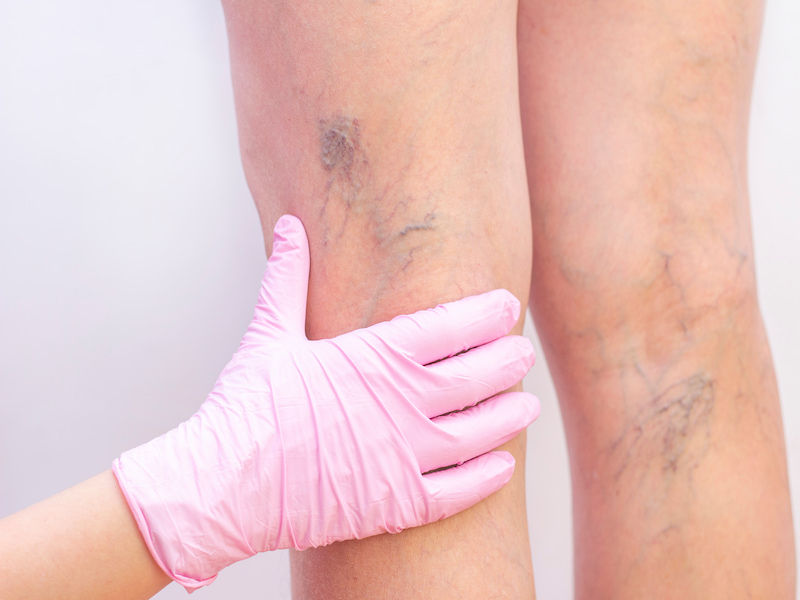
Spider veins, also referred to as telangiectasia, are tiny superficial blood vessels that enlarge and become visible through the skin, typically measuring less than 1 millimetre in diameter. These superficial vessels appear as thin red, blue, or purple lines, often forming distinctive web-like or tree-branch patterns that give them their common name. Spider veins most commonly develop on the legs—particularly the thighs, calves, and ankles—and the face, especially around the nose and cheeks. They can appear in three basic patterns: a true spider shape with veins converging into a central point, branch-like shapes, or linear patterns appearing as separate thin lines.
Spider veins are extremely common. The prevalence of spider and reticular veins in the general adult population is about 60%. While primarily a cosmetic concern, spider veins can occasionally cause mild symptoms such as burning, itching, pain, or leg fatigue in a minority of patients.
How Spider Veins Develop? Understanding Risk Factors
The exact pathogenesis of spider veins is multifactorial and still being researched. Spider veins develop due to structural and functional changes within the superficial microvascular networks of the skin and may originate from either venous or small arterial vessels. Multiple mechanisms contribute to their formation, and valve dysfunction is only one piece of the puzzle.
Vessel Wall Structure and Weakness
Vein walls contain collagen and elastin proteins that provide structural support and flexibility. With aging, collagen production decreases and existing fibers degrade, weakening vessel walls. Varicose veins have been found to contain increased collagen and decreased elastin, resulting in weakness of the vein wall. Hormones—particularly estrogen and progesterone—directly affect these structural proteins, causing vein walls to relax and dilate. This is why hormonal changes during pregnancy, menopause, and with oral contraceptive use are strongly associated with spider vein formation.
The Role of Blood Flow and Pressure
Although many spider veins are cosmetic, symptoms like heaviness or swelling may suggest underlying chronic venous insufficiency (CVI) and should be assessed. Normal venous return relies on the calf muscle pump and functioning valves to move blood against gravity. However, research shows that only about a fifth of patients with spider veins have demonstrable venous incompetence, meaning valve dysfunction alone does not explain most cases. Spider veins can develop from several blood flow abnormalities: reflux from reticular "feeder" veins that transmit increased pressure to superficial vessels, direct connections to deeper veins through incompetent perforating veins, or arteriovenous anastomoses (connections between small arteries and veins). Some studies suggest that reduced local oxygen delivery may trigger inflammatory changes in the endothelium, promoting abnormal formation of new superficial blood vessels.
Additional Contributing Factors
Sun Exposure
Sun exposure contributes significantly to facial spider veins through UV-induced damage. UV radiation activates matrix metalloproteinases (MMPs) that degrade collagen and elastin in the dermis, weakening the support structure around blood vessels.
Trauma to the Skin
Trauma including surgical incisions, contusions, and even repeated pressure from crossing legs—can initiate angiogenesis (new vessel formation) or damage perforating veins.
Medications
Including topical steroids, calcium channel blockers, and hormone therapies can promote vessel dilation. Genetics plays a major role, and majority of individuals with spider veins having a positive family history.
How do spider veins develop? Summary of Risk Factors
Spider veins form through multiple interconnected mechanisms, not just valve problems. Key factors include:
-
Vessel wall changes: Collagen and elastin breakdown weakens vein walls over time. Hormones like estrogen and progesterone accelerate this process, explaining why pregnancy and menopause increase risk.
-
Blood flow abnormalities: In many patients spider veins involve venous valve dysfunction. Other causes include pressure from feeder veins, connections between arteries and veins, and reduced oxygen triggering new vessel growth.
-
External factors: UV damage (facial spider veins), skin trauma, certain medications (steroids, calcium channel blockers), and genetics—a large proportion of patients have family history.
Spider Veins vs Varicose Veins
Spider veins and varicose veins are different conditions, though they share similar causes. Spider veins measure 0.5-1mm in diameter and lie flat against the skin, appearing as thin lines. Varicose veins are larger—typically 3mm or more in diameter—and often bulge above the skin surface with a twisted, rope-like appearance.
Key Differences in Symptoms
While spider veins rarely cause health problems, varicose veins frequently cause symptoms including pain, heaviness, cramping, and swelling. Complications in untreated varicose veins include skin changes, spontaneous bleeding, and blood clots including deep vein thrombosis (rare) and superficial thrombophlebitis.
Do Spider Veins Mean Poor Circulation?
Spider veins do not necessarily indicate poor circulation. Research shows that about a fifth of patients with spider veins may demonstrate evidence of venous insufficiency. Spider veins are often localized, superficial issues that don't reflect deeper circulatory problems. However, when accompanied by leg heaviness, swelling, or varicose veins, they may signal underlying chronic venous insufficiency requiring evaluation with duplex ultrasound.
Diagnosis Of Spider Veins
Clinical Examination
Spider vein diagnosis is primarily clinical, based on visual examination. Dr. Soroush Sohrabi assesses spider vein distribution patterns, identifies associated reticular (feeder) veins, and checks for skin changes suggesting advanced venous disease.
Advanced Imaging
For patients with extensive spider veins, associated symptoms, or signs of underlying venous insufficiency, duplex ultrasound provides detailed evaluation. This non-invasive imaging examines deep, superficial, and perforating veins for reflux or obstruction, ensuring treatment addresses root causes rather than just visible symptoms.
When to Treat Thread Veins in Dubai?
Thread veins (spider veins) can be treated at any time, but seeking treatment is recommended in the following situations:
If they cause discomfort
While often considered a cosmetic issue, thread veins can sometimes cause itching, burning, or aching, particularly in the legs.
When associated with venous insufficiency
Thread veins are accompanied by symptoms such as leg swelling, heaviness, fatigue, skin discoloration, or restless leg syndrome, which may indicate underlying venous insufficiency. A Doppler ultrasound can determine if an underlying vein issue needs treatment.
For cosmetic concern
Many individuals treat thread veins to improve the appearance of their legs, face, or other affected areas and restore confidence.
When are Conservative Remedies Ineffective?
Professional treatment may be necessary if lifestyle changes like elevating the legs, wearing compression stockings, or exercising regularly do not improve the condition.
How Doppler Findings Affect Treatment
-
If there are symptoms (heaviness/swelling) or larger feeder veins, Doppler may check for reflux before treatment.
-
If no reflux is found, sclerotherapy or surface laser is typically used for cosmetic improvement.
Next Steps After Spider Vein Assessment
Following doppler ultrasound assessment, treatments such as sclerotherapy is tailored based on whether spider veins are purely cosmetic or associated with underlying venous reflux.
What are the treatment options for spider veins ?
Sclerotherapy
Sclerotherapy is the gold standard and most widely used medical procedure for leg spider veins. A sclerosing solution is injected directly into affected veins using a fine needle, irritating the vessel lining and causing it to collapse, seal, and eventually be absorbed by the body. The solution causes the inside lining of the blood vessel to become sticky, and as the vessel walls adhere together, blood flow is blocked and the vein closes. For a side-by-side comparison of every spider vein treatment available in Dubai, including microsclerotherapy, foam, Nd:YAG laser and IPL, read our full guide to spider vein treatment options.
Types of Sclerotherapy
Liquid sclerotherapy uses solutions such as polidocanol or sodium tetradecyl sulfate in varying concentrations depending on vessel size. Foam sclerotherapy, where the solution is mixed with air or carbon dioxide to create microfoam, treats larger veins more effectively by displacing blood and maximizing vessel wall contact. Micro-sclerotherapy sessions typically last 15-45 minutes depending on the number of veins treated, with most patients requiring 2-4 sessions for optimal results spaced several weeks apart.
What to Expect During Treatment
During sclerotherapy, patients may feel mild stinging or cramping as the solution is injected—this temporary discomfort typically resolves within minutes. The procedure requires no anesthesia, and patients can drive themselves home afterward. Common side effects include temporary bruising, redness, and darkening of treated veins, which resolve within days to weeks. Compression stockings are typically worn for one to two weeks after treatment to optimize results.
Success Rates
Studies show clinical success rates of 80-90% for vessel resolution after one or more sclerotherapy sessions. Spider veins typically fade within 3-6 weeks, while larger veins may take 3-4 months. Treated vessels fade gradually as the body absorbs them, and treated veins do not return—though new spider veins may develop
Laser Therapy
Laser treatment delivers precise light energy absorbed by hemoglobin in blood vessels, heating and sealing vessels without damaging surrounding tissue. This approach works well for facial spider veins where sclerotherapy is avoided.
Laser Treatment Process
During laser treatment, patients typically experience sensations described as brief snapping or warming. Post-treatment redness typically resolves within hours to days, and treated vessels fade progressively over several weeks. Multiple sessions spaced 4-6 weeks apart are usually needed for optimal results.
Radiofrequency Thermocoagulation
Radiofrequency thermocoagulation uses high-frequency energy delivered through an ultra-fine needle to heat and seal spider veins. The body then gradually resorbs the treated vessel over the following weeks.
Combination Treatment
Many patients achieve optimal results through combination treatments. Varicose veins and reticular veins are often treated before treating spider veins to address underlying pressure sources. This comprehensive approach prevents rapid recurrence and maximizes cosmetic improvement.
Spider Vein Treatment Options (Summary)
Sclerotherapy – the gold standard treatment since the 1920s. A solution is injected to collapse and seal veins, which the body then absorbs. Liquid sclerotherapy treats small veins; foam sclerotherapy works better for larger vessels. Sessions take 15-45 minutes, with 80-90% success rates. Results visible in 3-6 weeks.
Laser Therapy – ideal for facial spider veins. Light energy heats and seals vessels without needles. Multiple sessions needed, 4-6 weeks apart.
Radiofrequency Thermocoagulation – uses heat energy through an ultra-fine needle to seal tiny veins, which are then naturally absorbed.
Combination Treatment – treating underlying varicose or feeder veins first prevents recurrence and improves outcomes.
All treatments are minimally invasive with no anaesthesia required and minimal downtime.
Diagnosis and management are guided by duplex ultrasound assessment and individualised treatment planning.
Recovery and Results after spider veins treatment
Post-Treatment Care
Most patients return to normal activities immediately. Recommendations include wearing compression stockings for 1-2 weeks, walking regularly to promote circulation, avoiding strenuous exercise for 24-48 hours, and protecting treated areas from sun exposure to prevent hyperpigmentation.
Timeline and Permanence
Treated spider veins typically appear darker initially before fading over 3-6 weeks for small veins and 3-4 months for larger vessels. Once successfully treated, spider veins are permanently closed and absorbed—they cannot return. However, because underlying risk factors persist, new spider veins may develop in different locations, and multiple treatment sessions may be required.
What Happens if Spider Veins Are Not Treated?
While spider veins are usually benign and often considered a cosmetic concern, they may increase in number over time if contributing factors persist. In many patients, spider veins occur without significant underlying venous insufficiency. However, in a subset of cases—particularly when spider veins are associated with reticular veins or leg symptoms—elevated venous pressure from early or mild venous reflux may be present. If left unaddressed, this ongoing venous hypertension can contribute to the development of additional spider veins and, in some individuals, progression to larger varicose veins.
How do i prevent spider veins?
Lifestyle Modifications
While genetic factors mean not all spider veins can be prevented, consistent preventive measures help reduce risk and slow progression of existing veins:
-
Exercise regularly—walking, swimming, and cycling strengthen the calf muscle pump
-
Maintain a healthy weight to reduce pressure on leg veins
-
Elevate legs when resting to encourage venous return
-
Wear compression stockings if at high risk—graduated compression prevents blood pooling
-
Protect skin from excessive sun exposure, especially on the face
Insurance Coverage
Spider vein treatment is typically classified as cosmetic and may not be covered by insurance. However, when associated with documented symptoms or underlying venous insufficiency confirmed by ultrasound, some plans provide coverage for medically necessary treatment.
To see what a treatment session actually involves, read our guide to sclerotherapy for spider veins in Dubai.
Frequently Asked Questions About Spider Veins
What causes spider veins, especially in a climate like Dubai?
While spider veins are typically cosmetic, they can sometimes indicate underlying venous insufficiency. If you experience pain, swelling, or heaviness in your legs, especially after long workdays in Dubai's active or standing professions, it's important to consult a vein specialist like Dr. Soroush.
Are spider veins just a cosmetic issue or something more serious?
What are the most effective treatments for spider veins available in Dubai?
Dr. Soroush offers advanced treatments such as:
-
Sclerotherapy – A safe injectable solution that causes veins to collapse and fade
-
Laser therapy – to reduce fine and superficial spider veins
A customized treatment plan will be discussed during your consultation.
How effective are these treatments?
Dr. Soroush Sohrabi's patients typically see visible improvement after just 1–3 sessions, with optimal results in a few weeks. Treatment success depends on the severity of the veins and your overall vascular health.
Does spider vein treatment hurt?
Most patients describe only mild discomfort. You may feel slight tingling or warmth during the procedure. For enhanced comfort, Dr. Soroush uses cooling systems or numbing agents during treatments.
How long is the recovery time after treatment?
Recovery is usually quick, 24 to 48 hours for most patients. You can resume daily activities almost immediately. Compression stockings may be recommended for a few days post-treatment to enhance results.
Are there any risks or side effects?
Minor side effects may include:
-
Temporary bruising, redness, or swelling
-
Itching or mild discomfort at the treatment site
-
Darkening of treated veins (temporary)
Dr. Soroush Sohrabi prioritizes patient safety and uses advanced techniques to minimize risks.
Will the treated spider veins return?
Treated veins are unlikely to reappear. However, new spider veins may form over time due to factors like hormonal changes, lifestyle, or prolonged standing.
Who is a good candidate for spider vein treatment?
If you're bothered by visible veins and are in generally good health, you may be an ideal candidate. Women post-pregnancy, professionals who stand for long hours, or anyone dealing with aesthetic concerns in the legs are encouraged to get a vascular consultation.
Is spider vein treatment covered by insurance in the UAE?
n most cases, treatments are considered cosmetic and not covered. However, if spider veins are causing discomfort or related medical complications, some insurance providers may offer partial coverage.
What steps can I take to prevent spider veins from developing?
You may not be able to completely prevent spider veins from developing however the following measure can help:
-
Wearing compression stockings
-
Regular leg elevation and movement
-
Staying active and maintaining a healthy weight
-
Using high-SPF sunscreen, especially in Dubai's climate
Do Spider veins means poor circulation?
Spider veins alone don't indicate poor circulation—only about 20% of patients show underlying venous insufficiency. However, if accompanied by leg heaviness, swelling, or varicose veins, duplex ultrasound evaluation is recommended to rule out deeper vein problems.
Management of spider veins focuses on treating abnormal surface veins while excluding deeper venous reflux when symptoms are present.
Medical Review & Clinical Oversight
This page is written and reviewed by Dr. Soroush Sohrabi, Consultant Vascular & Endovascular Surgeon. Clinical content is based on current vascular guidelines, duplex ultrasound assessment, and evidence-based treatment principles.
Why Choose Dr. Soroush Sohrabi for the teratment of spider veins
Dr. Soroush Sohrabi brings extensive vascular surgery expertise to spider vein treatment in Dubai. His comprehensive approach includes thorough evaluation for underlying venous disease using advanced duplex ultrasound imaging, personalized treatment plans utilizing the latest minimally invasive techniques, and dedicated follow-up care to ensure optimal results. Each patient receives individualized attention to address both cosmetic concerns and any underlying vascular issues that may be contributing to spider vein formation.